Salt, sugar, and science: Celebrating World ORS Day
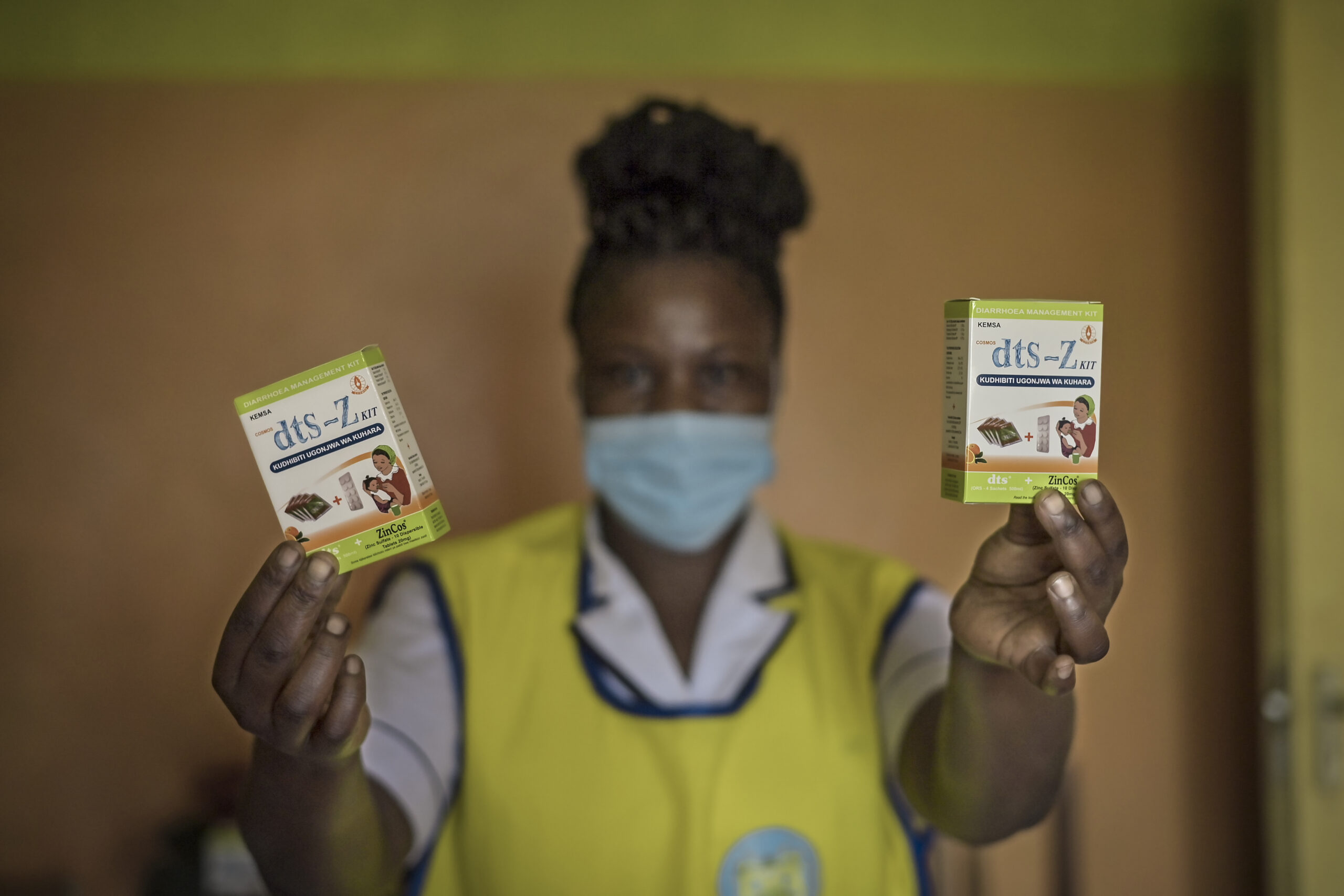
Oral rehydration solution (ORS) is a remarkably simple product: a mixture of salt and sugar that is dissolved in clean water. But this humble solution packs a punch. It’s highly effective for treating childhood diarrhea, especially when combined with zinc, and it’s widely considered one of the most important medical innovations of the twentieth century.
Diarrhea can be life-threatening in children because their bodies are more vulnerable to rapid dehydration. ORS treats diarrhea by rehydrating the body with lost fluids, while zinc reduces the duration and severity of diarrhea and helps to prevent future episodes.
Remembering an ORS innovator
This year, we also recognize the life and legacy of Dr. Richard Cash, who passed away last fall at 83 years old. In the late 1960s, Cash helped pioneer the use of ORS to treat diarrhea by conducting research to determine what ratio of water, salt, and sugar worked best. Thanks to Cash and his colleagues, oral rehydration therapy has saved more than 50 million lives worldwide.
Cash also recognized that the benefits of health interventions like ORS can only be realized with effective implementation. He worked on projects teaching people to make their own ORS at home to raise awareness about the treatment. “A solution that can’t be applied is really no solution at all,” he told Harvard Magazine in 2024.
Renewing support for ORS and zinc
Today, expanding access to ORS and zinc is more important than ever. Childhood vaccination coverage has held steady, but climate change and conflict are threatening access to water, sanitation, and hygiene (WASH) and raising the risk of disease outbreaks. There have been over 111,000 cholera cases recorded since January 2025, many of them located in Eastern and Southern Africa and exacerbated by severe floods and droughts.
In the face of these challenges, ORS and zinc can provide lifesaving treatment for diarrhea—but less than half of children globally have access to ORS, and only 15 percent have access to ORS and zinc. Access is often lowest where the burden is highest.
On World ORS Day, we celebrate the work of researchers like Dr. Richard Cash who laid the groundwork for this lifesaving treatment. Today, we can build on that legacy by expanding access to ORS and zinc, raising awareness among caregivers about how to make and administer this treatment at home, and reinforce other diarrhea prevention measures like vaccines and WASH.
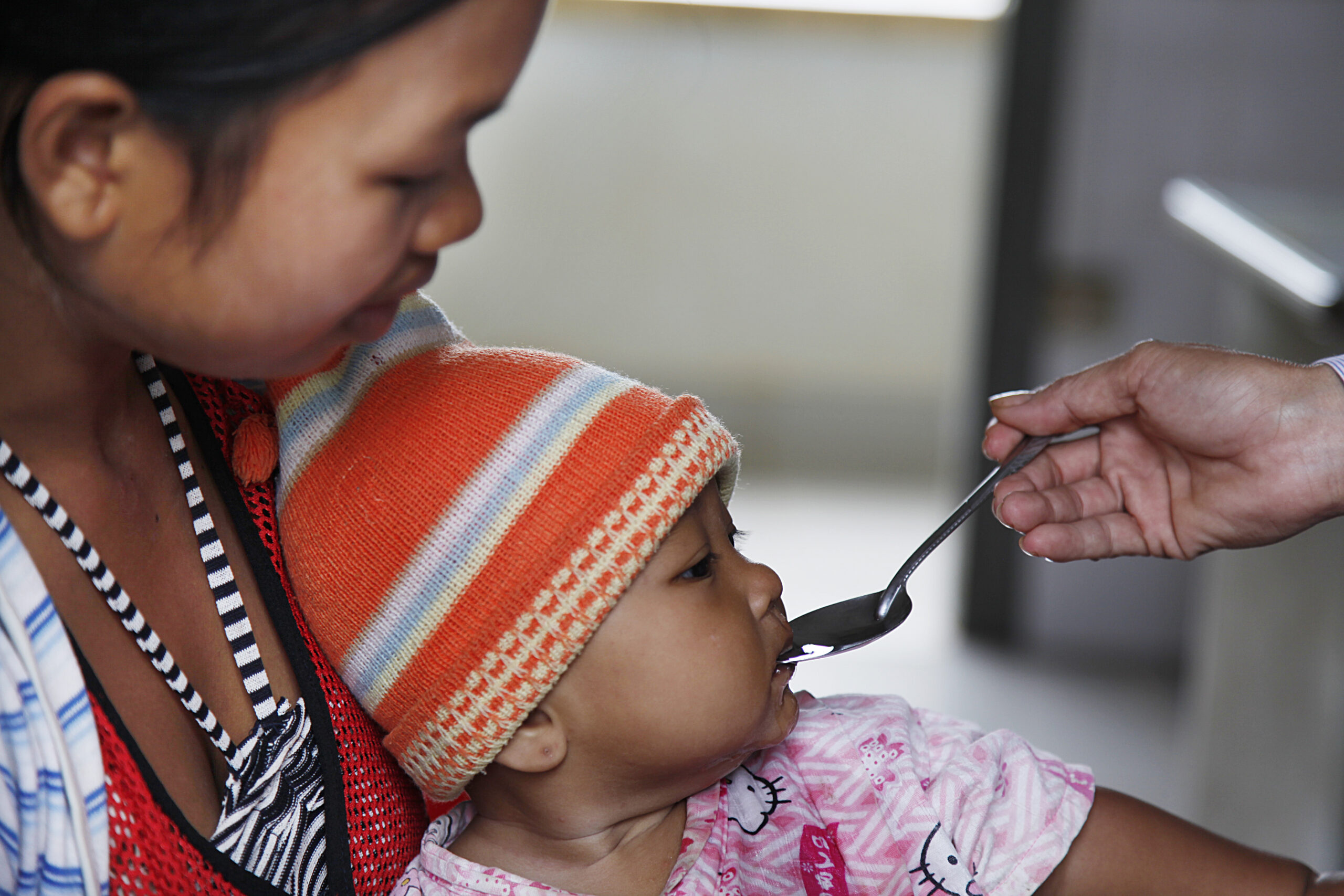
Cover photo: Nurse Oun Samspong administers ORS to a child at Taing Kok Health Center in Kampong Thom Province, Cambodia. Credit: PATH/Heng Chivoan.
Featured Content
“A turning point”: how ORS, zinc, and WASH transformed a Bangladesh village