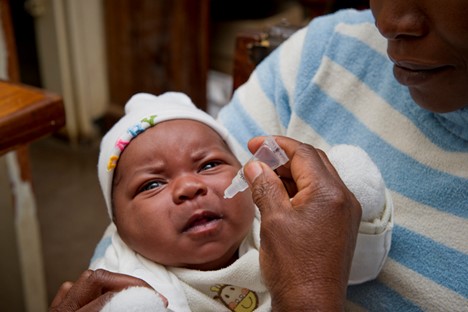
Rotavirus vaccination in Afghanistan: Evidence of impact amid fragility
As Afghanistan continues to grapple with conflict, political instability, and a fragile health system, new evidence underscores the critical importance of sustained immunization efforts, particularly against rotavirus, a leading cause of severe diarrheal disease in children under five.
In our recently published study in BMC Health Services Research, we evaluated the real-world impact of rotavirus vaccination in Afghanistan from its introduction in 2018 through 2024, with projections extending to 2034. This research, part of my Doctor of Public Health (DrPH) thesis, offers a comprehensive national assessment of rotavirus vaccination in a low-income, conflict-affected setting.
Key takeaways
- Substantial health impact: We observed a 41% reduction in rotavirus gastroenteritis (RVGE) hospitalizations among children under five, closely mirroring the 39% decline reported in post-licensure surveillance data. This alignment reinforces the vaccine’s real-world effectiveness.
- Cost-effective intervention: Across all scenarios, rotavirus vaccination remained cost-effective, even in the absence of Gavi support.
What makes this study unique?
Unlike many vaccine impact studies based solely on modelled projections, our analysis integrates real-world hospital surveillance data and combines both retrospective and prospective evaluations. We also examined four vaccine product options, accounting for both Gavi-supported and self-financed contexts, an especially important consideration for countries planning a product switch or transition from donor support.
Surprising insights
One of the most thought-provoking findings relates to equity. While the overall impact is substantial, our analysis raises concerns about vaccination coverage among children in hard-to-reach, conflict-affected areas. In fragile settings, ensuring vaccine access for the most vulnerable is not just moral imperative, it is a strategic public health priority.
Broader implications and next steps
This research provides clear evidence to support continued investment in rotavirus vaccination, particularly in fragile states like Afghanistan. The findings hold relevance for neighboring countries in the Eastern Mediterranean Region (EMR), many of which face similar challenges around equity, financing, and health system fragility. As countries in the region consider vaccine product switching, Gavi transition planning, or strategies to enhance cost-effectiveness, Afghanistan’s experience offers timely and relevant insights.
The findings also reflect global immunization trends recently published last month in the World Health Organization (WHO)/UNICEF immunization coverage data, which calls on stakeholders to protect and expand immunization services, even amid complex emergencies.
Final thought
Despite immense challenges, Afghanistan’s Expanded Programme on Immunization (EPI) has shown what’s possible with political will, technical support, and community commitment. Our study affirms that even in the most difficult settings, vaccines save lives, and evidence-based decisions can help ensure every child has a chance at a healthy future.
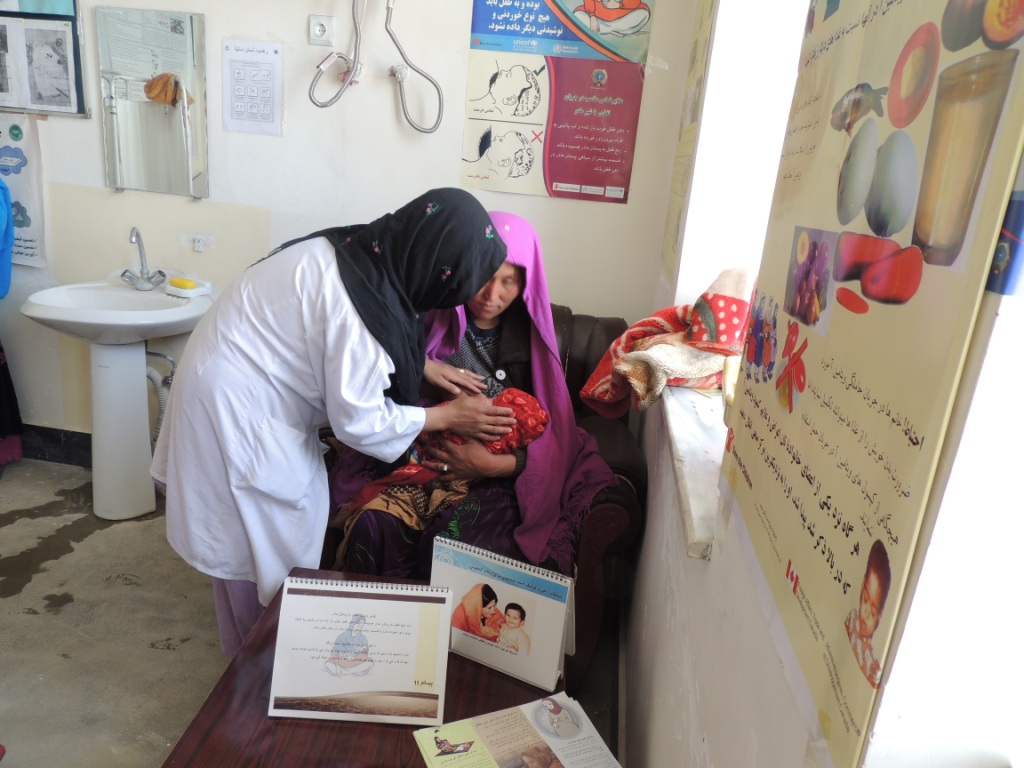
Cover photo: A health worker administers an oral vaccine to a child in Afghanistan. Credit: Palwasha Anwari.
Featured Content
How rotavirus vaccines are changing the game
Defending against disease