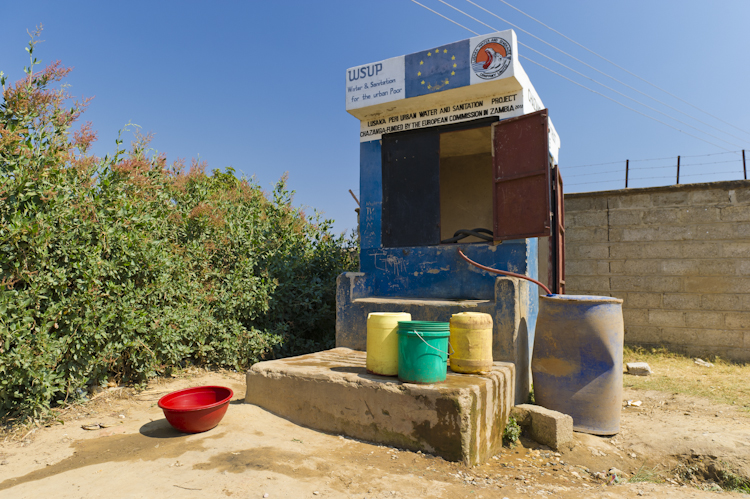
Progress worth celebrating and building upon in water, sanitation, and hygiene access
Water, sanitation, and hygiene—three simple words with lifesaving power. When it comes to preventing diarrheal diseases, access to these essential services—collectively known as WASH—is not just important, it’s transformative. Safe drinking water stops waterborne diseases like typhoid and cholera in their tracks. Sanitation stops human waste from transmitting diseases. And hygiene, especially handwashing with soap, breaks the chain of infection for pathogens that cause diarrhea.
WASH gaps persist in 2025
The world has made exciting progress on WASH: since 1990, more than 2 billion people have gained access to cleaner water. But, as new data from the World Health Organization (WHO) and UNICEF reveal, there’s more work to do.
- One in four people, or 2.1 billion globally, lacks access to safe drinking water.
- More than 3 billion people lack safely managed sanitation, including 354 million who practice open defecation.
- 1.7 billion people still lack basic hygiene services at home.
People living in low-income countries, rural communities, and fragile contexts—as well as children and minority groups—face the greatest disparities. Subnational data show that there are large disparities in WASH access across rural and urban areas, regions, income groups, and ethnic communities. In Paraguay, for example, piped water coverage is three times higher among the general population than in the indigenous population. Conflict, natural disasters, and extreme weather can further jeopardize WASH infrastructure and increase the risk of disease.
Progress worth celebrating
But despite these challenges, there’s reason for optimism. In the past ten years alone, nearly a billion people have gained access to safe drinking water, with coverage rising from 68 percent to 74 percent. Improvements in hygiene are even more impressive, with 1.6 billion people gaining access since 2015. Every number includes a ripple effect—whether it’s a child who grows up healthy without the threat of repeated diarrheal infections, a hospital patient who avoids a health-care associated infection, or a family that saves time and money on treatment.
A foundation for well-being
Water is more than a commodity or a natural resource—it’s a foundation for dignity, equity, and health. Every new tap installed, every toilet built, and every hand washed is a step toward a world where no child suffers from preventable disease. WASH programs are chronically underfunded, and too often, water falls through the cracks as a priority. By committing to investments in WASH alongside vaccines, nutrition, and other interventions, we invest in healthier futures for communities.
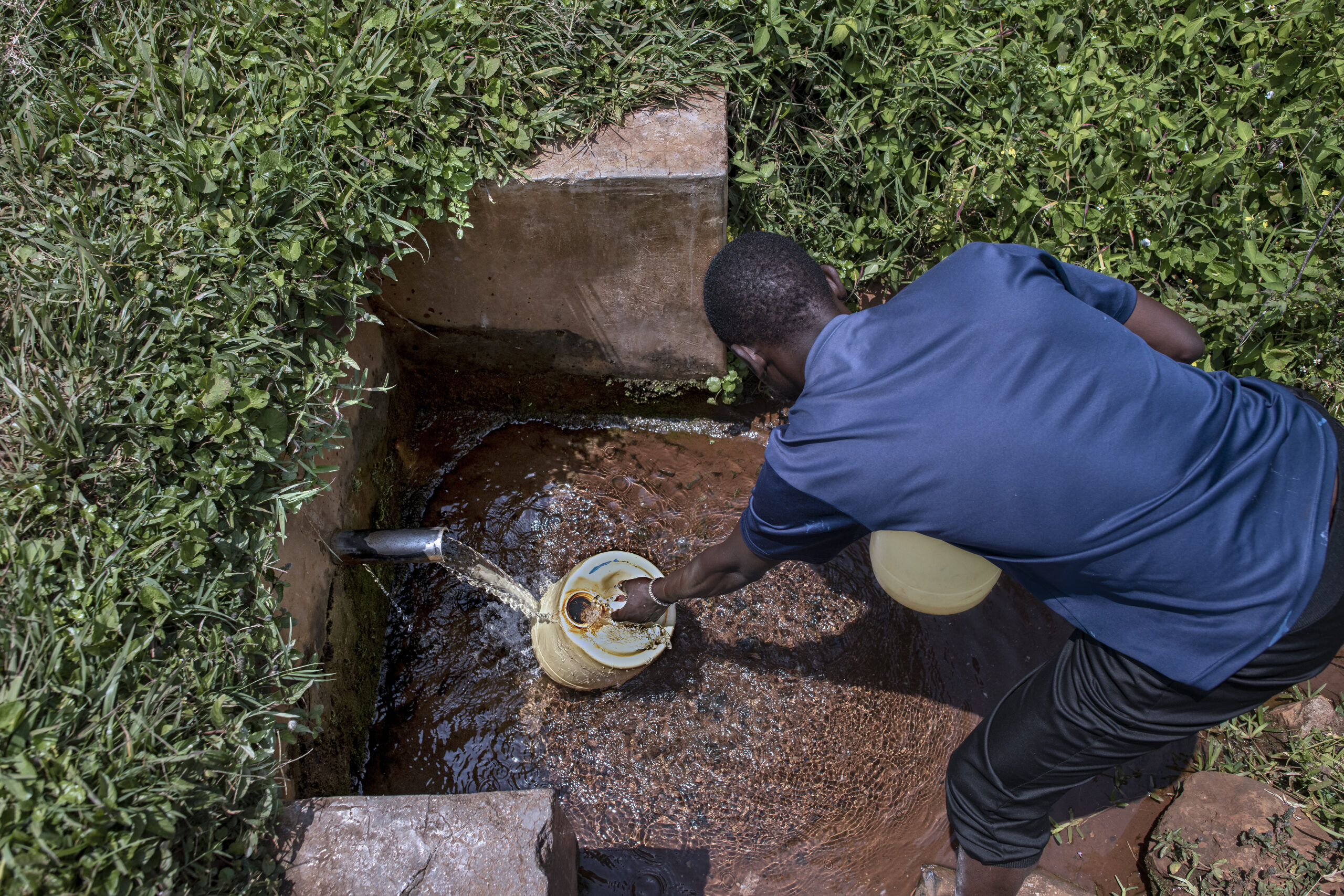
Cover photo: A man fills a water container in Khwisero constituency, Kakamega County, Kenya. Credit: PATH/Anthony Karumba.
Featured Content
Why does boiling water make it safe to drink?
WASH and vaccines work together to fight disease