Q&A: How Plan-EO’s interdisciplinary team is using big data to tackle diarrheal disease
Each year, hundreds of thousands of babies and young children die from diarrhea worldwide. It’s one of the leading causes of preventable child deaths, yet one that is often overlooked—and the risks are growing as climate change shifts disease patterns.
That’s why researchers at the University of Virginia School of Medicine (UVA-SOM) have launched Plan-EO, the Planetary Child Health & Enterics Observatory, to explore this problem from every possible angle. We caught up with the team behind Plan-EO to learn more about the project.
Can you tell us about the project and what Plan-EO is working on?
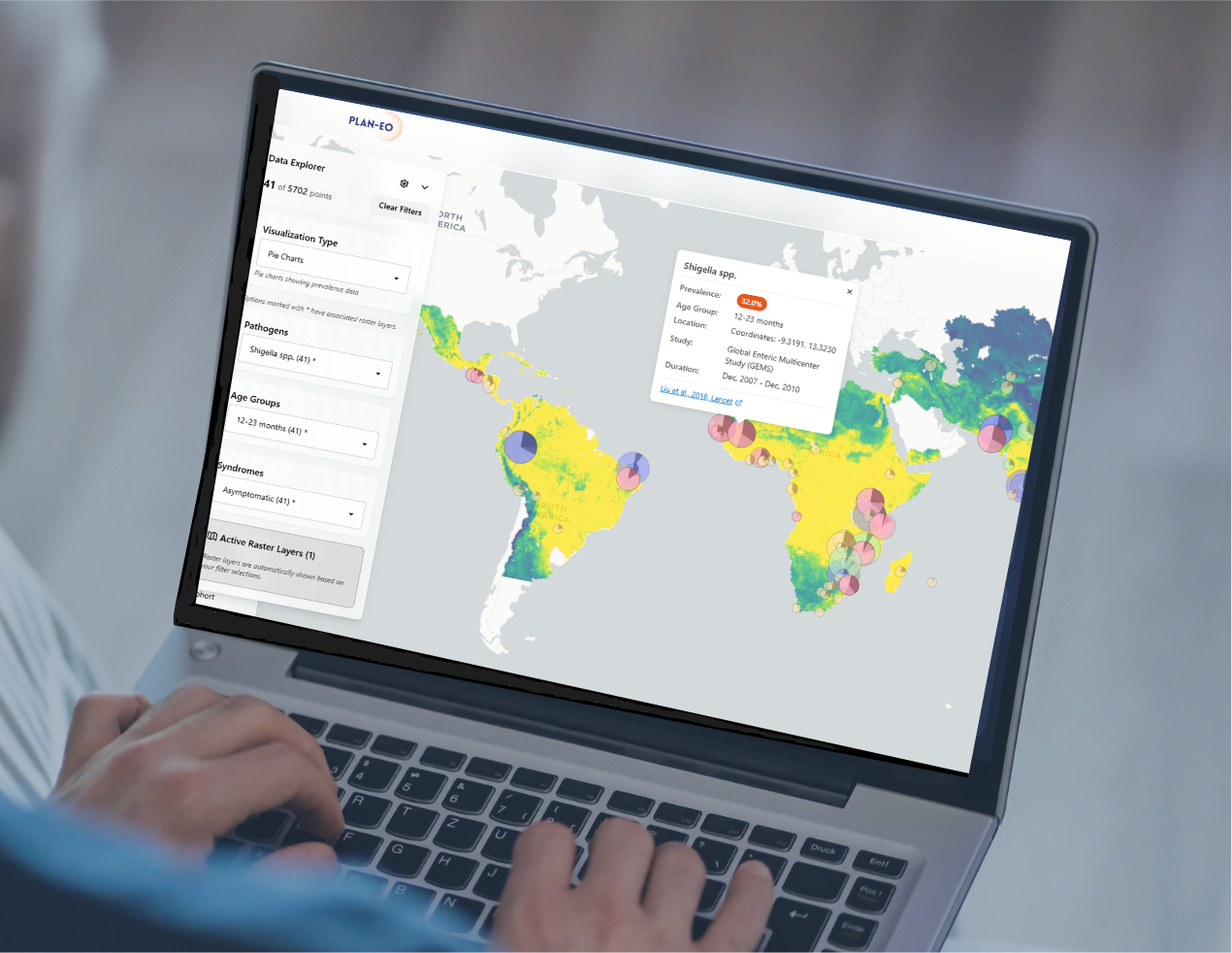
Josh Colston, assistant professor at UVA-SOM and leader of the project: The Plan-EO team is building an online dashboard that brings together huge amounts of data to track and predict where diarrhea-causing pathogens are, why they’re there, and how things like flooding or climate change make it worse.
For example, flooding can spread bacteria, parasites, and viruses into water supplies, especially in places with poor access to sanitation. That’s why the team includes hydrologists who understand how water moves and how it can carry pathogens into communities. The project brings together epidemiologists and spatial demographers alongside researchers in climatology, data science, environmental engineering, and more.
Why is having data on diarrheal disease so important?
Sani Neupane, Plan-EO’s communications officer: When I first heard about how many kids die from diarrhea every year, I was shocked. It’s one of those things that people in some countries barely think about, but in other parts of the world, it’s deadly, especially for young kids. Diarrhea doesn’t just make kids sick, it can stunt their growth and keep families stuck in poverty for generations.
Josh: Diarrhea is a huge but overlooked public health threat, and climate change is shifting patterns of disease in ways that can be hard to predict, but need to be tracked.
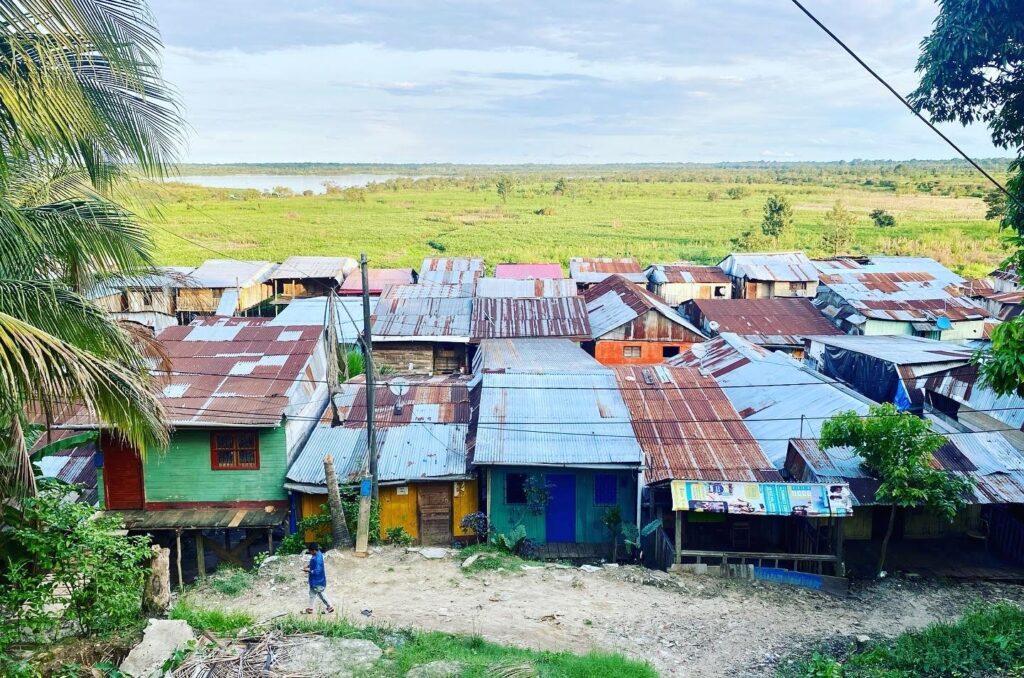
Photo: One of Plan-EO’s research sites in Peru. Credit: Josh Colston.
How do you take large amounts of data and turn them into a tool that can be used for disease prevention?
Nasif Hossein, post-doctoral researcher: It’s incredible how much data is out there. It’s just a case of pulling it together from local health surveillance studies, climate models, and stool samples tested for bacteria like E. coli and Shigella. We map all this data for local leaders, health workers, researchers, and project planners to better understand what’s happening in their communities, not just at a national level.
This can help communities act faster and smarter. When they know where the biggest risks are, they can make better decisions about where to run vaccine trials, plan water improvement projects, or prepare for outbreaks after floods.
Sani: It’s not just about solving problems from afar. The Plan-EO team works with partners in the countries affected, using local knowledge and data to make sure the dashboard is accurate and useful. It’s not just numbers on a screen, but real information that saves lives.
What do you hope the Plan-EO project helps to accomplish?
Sani: It really frustrates me that in the age of big data and tech, kids are still dying from something so preventable. By connecting the dots between climate, health, and the environment, and putting that information into the hands of people who can use it, we’re giving communities a better shot at protecting kids before they get sick.
Josh: No child should die because they don’t have clean water or safe toilets. If what we’re building helps local leaders, health workers, or families make better choices to keep kids healthy, then it’s worth every bit of work.
Check out the Plan-EO dashboard and learn more about the project here.
Featured Content

A “butt vaccine” against C. diff-associated diarrhea
Rotavirus vaccination in Afghanistan: Evidence of impact amid fragility